Sleep and Mental Health: Why Rest Is Foundational to Emotional Wellbeing
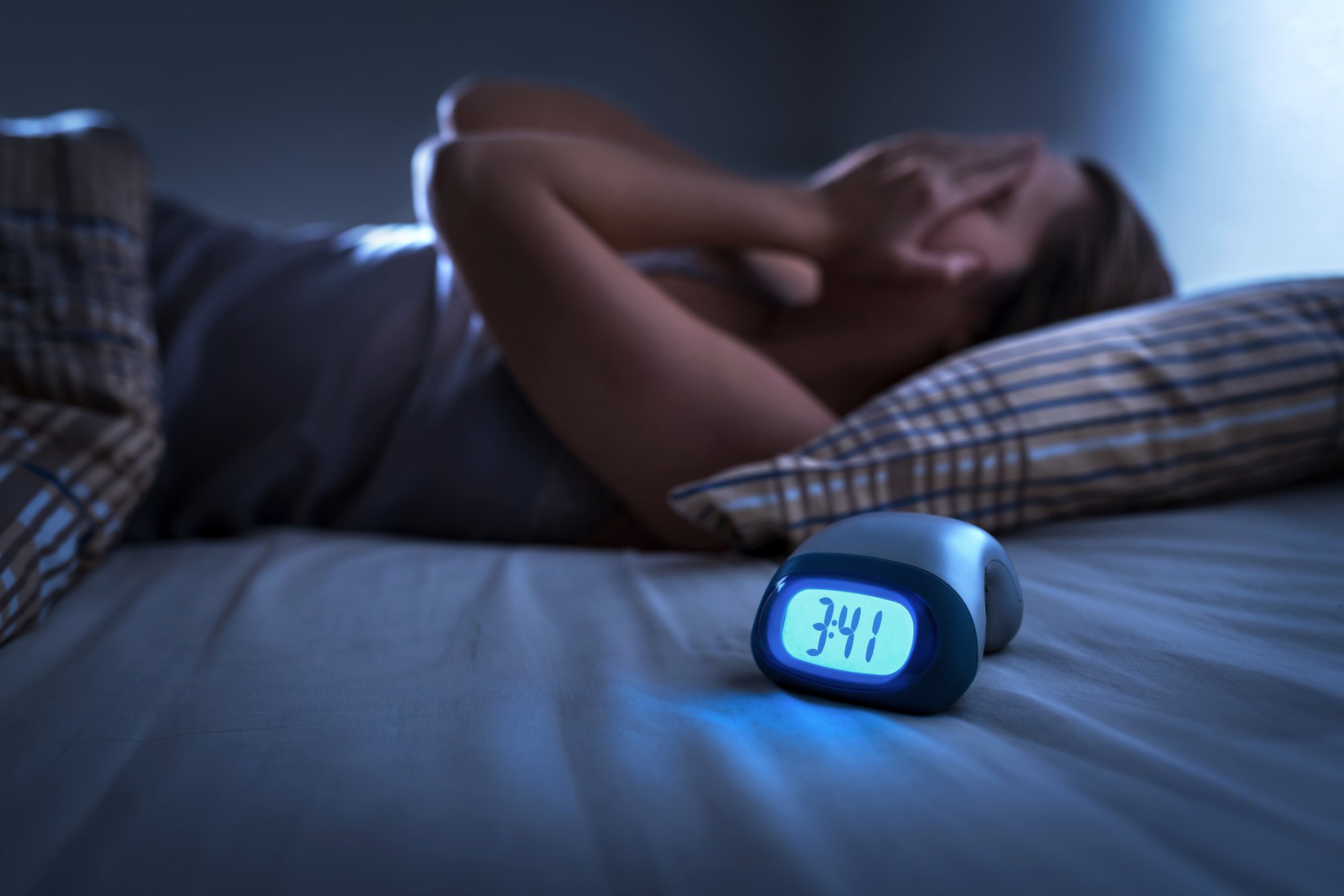
Sleep is one of the first things people lose when life gets busy, but it’s also one of the main things that helps us stay steady. Most people don’t think about sleep until it becomes a problem. In conversations with a healthcare or mental health provider, they’ll mention stress, feeling overwhelmed, or just not feeling like themselves—and somewhere in that conversation, it comes out that they haven’t been sleeping well either.
It usually doesn’t start in a dramatic way. It looks more like staying up later than you meant to because you’re on your phone, catching up on the news, or just trying to have a moment to yourself after a long day. You tell yourself you’ll go to bed soon, but time passes quickly.
By the time you lie down, your body is tired, but your mind is still going. Sometimes it’s not the phone, it’s life. You’ve been running all day, managing work, kids, errands, and other responsibilities, but when everything finally slows down, your mind doesn’t. It keeps replaying conversations, thinking about what didn’t get done, or what tomorrow will look like. Sleep feels far away even though you’re exhausted. And for some people, it’s bigger transitions that get in the way of sleep. Moving to a new state, starting over in a new environment, or feeling disconnected from your community can sit with you at night. That sense of being unsettled can make it harder to fall asleep and even harder to stay asleep. What all of these situations have in common is that your brain never really gets a chance to power down.
Sleep is the time when your mind sorts through the day. It helps you process emotions, release stress, and reset so you can function the next day. When that process gets interrupted, you feel it. Your patience is shorter, your focus is off, and things that normally feel manageable start to feel like too much. A lot of people describe it as feeling “on edge” or “off,” without realizing that sleep is playing a role. When sleep is off, you might notice:
- You’re more irritable than usual
- Your anxiety feels louder or harder to manage
- It’s harder to focus or stay present
- Small things feel bigger than they normally would
The tricky part is that sleep and mental health affect each other. When you’re stressed or anxious, it’s harder to sleep. And when you don’t sleep well, stress and anxiety tend to feel stronger. That cycle can build over time if nothing interrupts it. When it comes to getting more restful sleep, the goal isn’t to create a perfect routine. Most people don’t need that. What helps more is paying attention to the small habits that keep your mind active at night and gently shifting them. For some people, that means putting their phone down earlier, especially if they notice that scrolling or watching the news keeps their mind engaged. For others, it means giving themselves a few minutes to slow down before bed instead of going straight from a busy day into trying to sleep. Even something as simple as sitting in a quiet place, stretching, or writing down what’s on your mind can help your body transition.
Small Shifts That Can Help:
- Going to bed around the same time most nights
- Taking a short break from screens before bed
- Giving your mind a place to “land” before sleep (like journaling or quiet time)
- Not forcing sleep if it’s not coming right away
Cutting back on caffeine after midday or limiting alcohol close to bedtime can also make a noticeable difference. A cool, dark room can signal to your body that it’s time to wind down. It also helps to be realistic about your day. If your schedule is full and your mind is carrying a lot, it makes sense that your body needs a little more time to settle at night. Creating that space, even briefly, can make falling asleep feel less like a struggle.
If you’ve been lying in bed awake for more than 15–20 minutes, try getting up and moving to a dimly lit area of your home, preferably a comfortable chair, not your bed. Instead of reaching for your phone, try a low-stimulation activity like reading a physical book, meditating, or listening to calming music. Return to bed when your eyes feel heavy.
And if sleep has been difficult for a while, or you’re noticing it affecting your mood, your energy, or your ability to function during the day, it’s worth bringing it up with a healthcare or mental health provider. Sleep issues are common, especially during stressful seasons or life changes, and there are ways to support better sleep when making small changes isn’t enough.
If sleep has been a struggle, your One Medical provider can help you explore what’s getting in the way and what might help. At the end of the day, sleep isn’t something extra. It’s part of how we stay mentally and emotionally well. When sleep improves, people often notice they feel clearer, calmer, and more able to handle what’s in front of them. And for many, that shift starts with simply recognizing how much sleep really matters
The One Medical blog is published by One Medical, a national, modern primary care practice pairing 24/7 virtual care services with inviting and convenient in-person care at over 100 locations across the U.S. One Medical is on a mission to transform health care for all through a human-centered, technology-powered approach to caring for people at every stage of life.
Any general advice posted on our blog, website, or app is for informational purposes only and is not intended to replace or substitute for any medical or other advice. 1Life Healthcare, Inc. and the One Medical entities make no representations or warranties and expressly disclaim any and all liability concerning any treatment, action by, or effect on any person following the general information offered or provided within or through the blog, website, or app. If you have specific concerns or a situation arises in which you require medical advice, you should consult with an appropriately trained and qualified medical services provider.