Strong to the Bone: A Simple Guide to Building Strength at Every Age
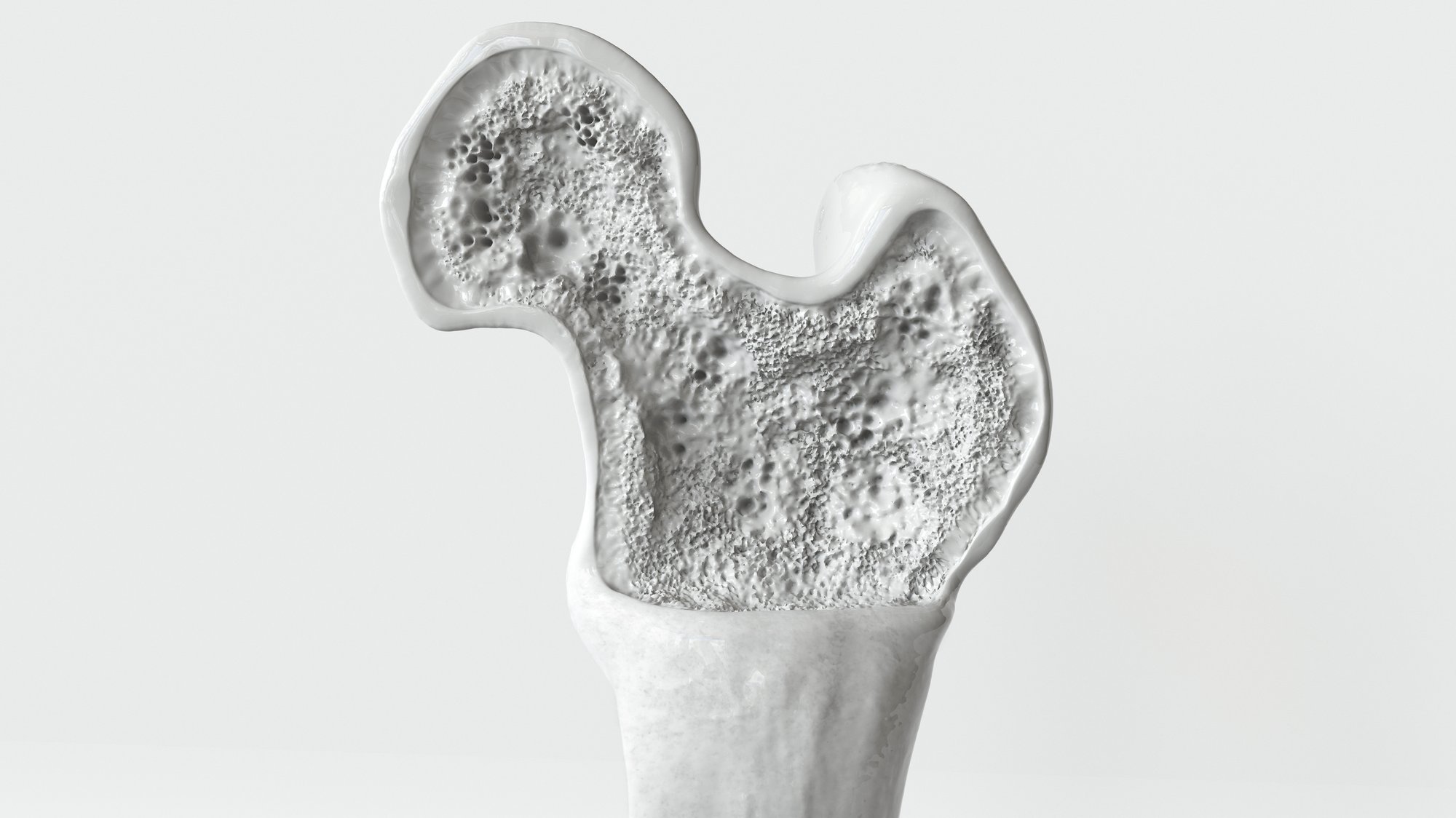
Most people never learn this in school, but your bones are alive. They are living tissue that your body breaks down and rebuilds every day, just like muscle. And like muscles, bones grow stronger when you use them.
One of the questions providers hear most often is, “Isn’t bone loss just part of getting older?” Some loss is natural. But how much you lose, and how strong your bones stay, is something you have real power over. That power is called resistance training.
What is resistance training? It is any exercise where your muscles push or pull against something. That can be a dumbbell, a stretchy exercise band, or simply your own body weight, like a squat or a pushup. When muscles pull on bones, bones respond by rebuilding themselves stronger. You do not need a gym to get started.
Why does it matter Bones start to reach their peak strength in your late teens and continue building through your 20s, up to around age 30. After that, we slowly lose bone unless we give the body a reason to keep it. Too much loss leads to osteoporosis, a condition that makes bones thin and easy to break. It affects millions of Americans, and women are at higher risk after menopause. The encouraging part is that resistance training helps at any age.
Ages 6 to 17- Kids and teens: building the bone bank
Childhood is when the “bone bank” gets filled. Jumping, climbing, running, and sports deposit bone strength that lasts a lifetime. Encourage an hour of active play each day, and cheer loudest for activities with hopping and jumping, such as jump rope, basketball, or dance.
Ages 18 to 39- Young adults: peak building years
This is your last big window to add bone, so make deposits now. Aim for strength work twice a week. Squats, lunges, pushups, or light weights all count, and 20 minutes is plenty. If you have fallen out of the habit, do not be discouraged. Your body responds within a few weeks.
Ages 40 to 64-Midlife: protecting what you built
Bone loss speeds up now, especially for women around menopause. Resistance training twice a week helps you hold onto what you built. Add brisk walking, which gently loads the hips and spine. If you have spent these years caring for everyone else, now is a good time to give some of that care back to yourself. It is not too late, and your body will respond faster than you expect.
Ages 65 and up- Older adults: strength and balance
It is never too late to build strength, even in your 80s. Gentle resistance work protects bone, and balance practice prevents the falls that cause most broken bones. Try chair squats, wall pushups, resistance bands, and standing on one foot while holding the counter. Each session makes a real difference, and that is worth being proud of.
Small daily actions for stronger bones
- Stand up from a sturdy chair 10 times while the coffee brews.
- Try 10 wall pushups before brushing your teeth, then balance on one foot while you brush.
- Take the stairs when you can. Each step loads your hips and legs.
- Carry your own groceries. The lifting is good for your bones and your arms.
- Eat for your bones too: dairy, leafy greens, beans, and fish, plus daylight for vitamin D.
Pick one and keep it for a week. A small habit kept for a week tends to stick, and stronger bones follow. You can do this.
Talk with your One Medical provider first if you:
- Have osteoporosis, a past fracture, or a family history of hip fractures.
- Take steroid medicines long term, or medicines that cause dizziness.
- Feel new or sharp pain in your back, hips, or joints during activity.
- Are a woman 65 or older, and have never had a bone density scan. Ask about a DEXA scan. It is quick and painless. Men 70 or older should also discuss screening with their provider, as some guidelines recommend it.
Bring these questions to your next appointment. Your care team, including physical therapists, can build a plan that is safe for you. Seek urgent care for any fall with pain that does not improve.
The bottom line
- Your bones respond to effort at every age, from 6 to 96.
- Do resistance work at least twice a week. Bands, weights, or body weight all count.
- Start small and be kind to yourself. Ten minutes today beats the perfect plan never begun.
A missed day is not a failure. Simply pick it back up tomorrow. Your skeleton has carried you this far, and with a little resistance each week, it will carry you strongly for the rest of the journey.
The One Medical blog is published by One Medical, a national, modern primary care practice pairing 24/7 virtual care services with inviting and convenient in-person care at over 100 locations across the U.S. One Medical is on a mission to transform health care for all through a human-centered, technology-powered approach to caring for people at every stage of life.
Any general advice posted on our blog, website, or app is for informational purposes only and is not intended to replace or substitute for any medical or other advice. 1Life Healthcare, Inc. and the One Medical entities make no representations or warranties and expressly disclaim any and all liability concerning any treatment, action by, or effect on any person following the general information offered or provided within or through the blog, website, or app. If you have specific concerns or a situation arises in which you require medical advice, you should consult with an appropriately trained and qualified medical services provider.