Hair Loss Treatment Has Changed. Here's What I Tell My Patients Today.
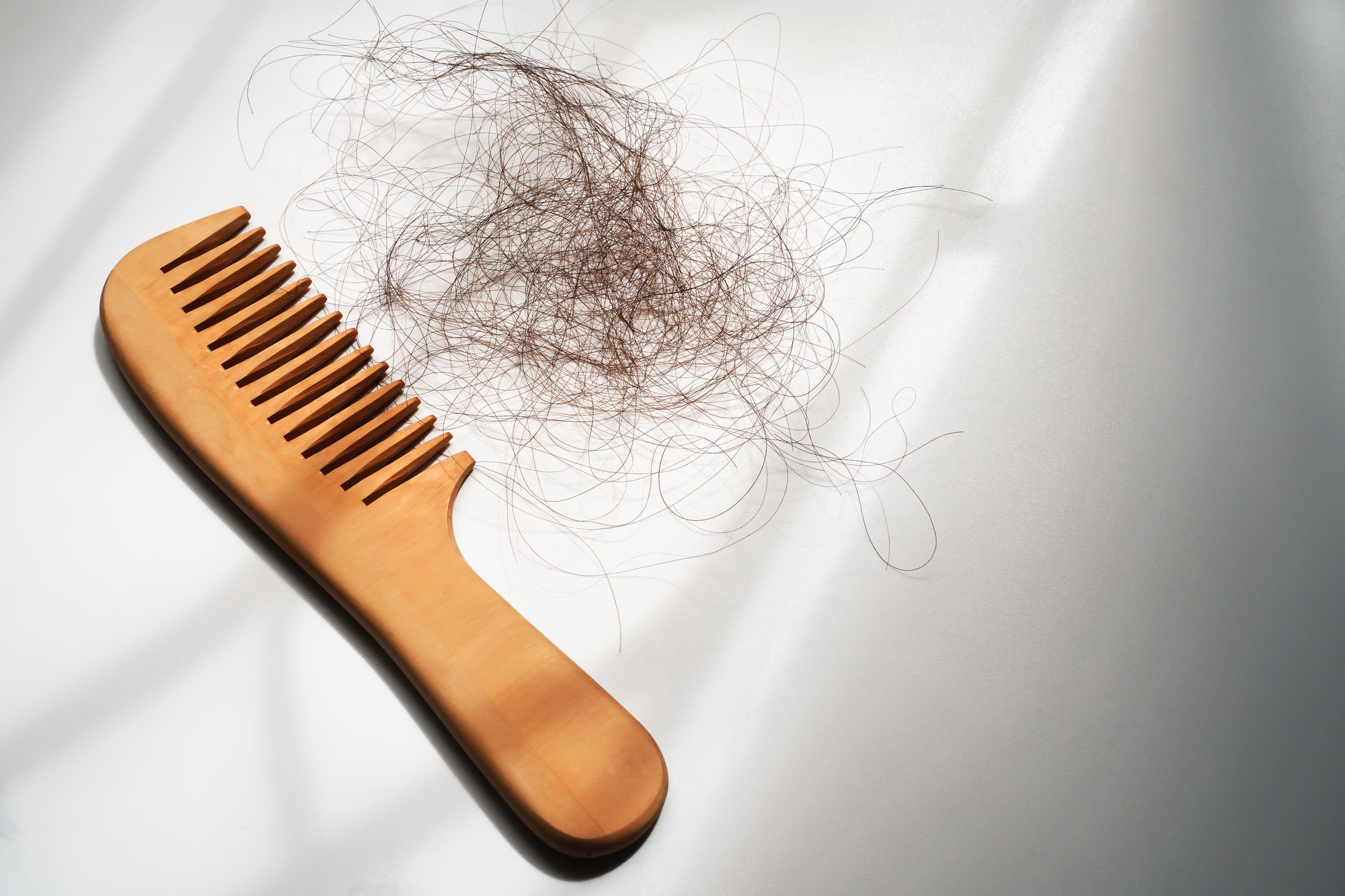
Hair loss is one of the most common concerns I discuss with patients, and if you've spent any time on social media recently, you've probably noticed there is no shortage of advice. Unfortunately, there is also no shortage of misinformation.
From rosemary oil and scalp massages to peptides and supplements promising dramatic regrowth, it can be difficult to know what actually works.
The good news is that we have more evidence-based treatment options today than ever before.
First, understand what's causing the hair loss
The most common type of hair loss is androgenetic alopecia, often referred to as male or female pattern hair loss. Despite the name, it can affect people of all genders.
Other causes include stress-related shedding, nutritional deficiencies, thyroid disorders, autoimmune conditions, medications, and certain hairstyles that place tension on the hair.
That's why getting an accurate diagnosis matters before spending money on treatments.
The treatments with the strongest evidence
When it comes to slowing hair loss and preserving existing hair, two medications remain the foundation of treatment.
Minoxidil is available over the counter as a topical solution and is increasingly prescribed in low-dose oral form. It helps stimulate hair growth and can slow progression of thinning.
Finasteride, and in some cases dutasteride, work by reducing the effects of DHT, a hormone that contributes to follicle size decrease in genetically susceptible individuals.
The earlier treatment is started, the more effective it tends to be.
What about red light therapy and ketoconazole shampoo?
One treatment I am asked about frequently is red light therapy, also called low-level light therapy. While it is not a miracle cure, studies suggest it may improve hair density and thickness when used consistently, especially when combined with other treatments.
Ketoconazole shampoo is another useful tool. Originally developed as an antifungal shampoo, it also appears to have anti-inflammatory effects on the scalp. While it is unlikely to regrow significant amounts of hair by itself, it may help support overall scalp health and complement other therapies.
Not everyone wants medication
One of the biggest changes I've seen over the past several years is the growing acceptance of modern hair systems and custom hairpieces.
These are not the obvious toupees many people picture from decades ago. Today's hair systems can look remarkably natural and are becoming increasingly popular on social media. Creators such as "Toupee Queen" and others have helped normalize hair replacement by showing realistic transformations and maintenance routines.
For some people, a hair system may be a better fit than taking medication indefinitely or pursuing surgery.
What's coming next?
One of the most exciting developments in hair loss research is PP405, an investigational treatment currently being studied for androgenetic alopecia.
Early research suggests it may help reactivate dormant hair follicle stem cells, potentially addressing hair loss in a completely different way than current medications. While the early data are promising, it's important to remember that PP405 remains under investigation and is not yet available outside of clinical trials.
My biggest piece of advice
The biggest mistake I see people make is waiting too long.
Most hair loss treatments are better at preserving hair than restoring hair that has already been gone for years. If you're noticing increased shedding, thinning, or changes in your hairline, talk with your healthcare provider sooner rather than later.
The good news is that whether your goal is medication, surgery, a hair system, or simply understanding your options, there are more choices available today than ever before.
The One Medical blog is published by One Medical, a national, modern primary care practice pairing 24/7 virtual care services with inviting and convenient in-person care at over 100 locations across the U.S. One Medical is on a mission to transform health care for all through a human-centered, technology-powered approach to caring for people at every stage of life.
Any general advice posted on our blog, website, or app is for informational purposes only and is not intended to replace or substitute for any medical or other advice. 1Life Healthcare, Inc. and the One Medical entities make no representations or warranties and expressly disclaim any and all liability concerning any treatment, action by, or effect on any person following the general information offered or provided within or through the blog, website, or app. If you have specific concerns or a situation arises in which you require medical advice, you should consult with an appropriately trained and qualified medical services provider.