It's Not the Medication. What's Really Behind GLP-1 Hair Shedding
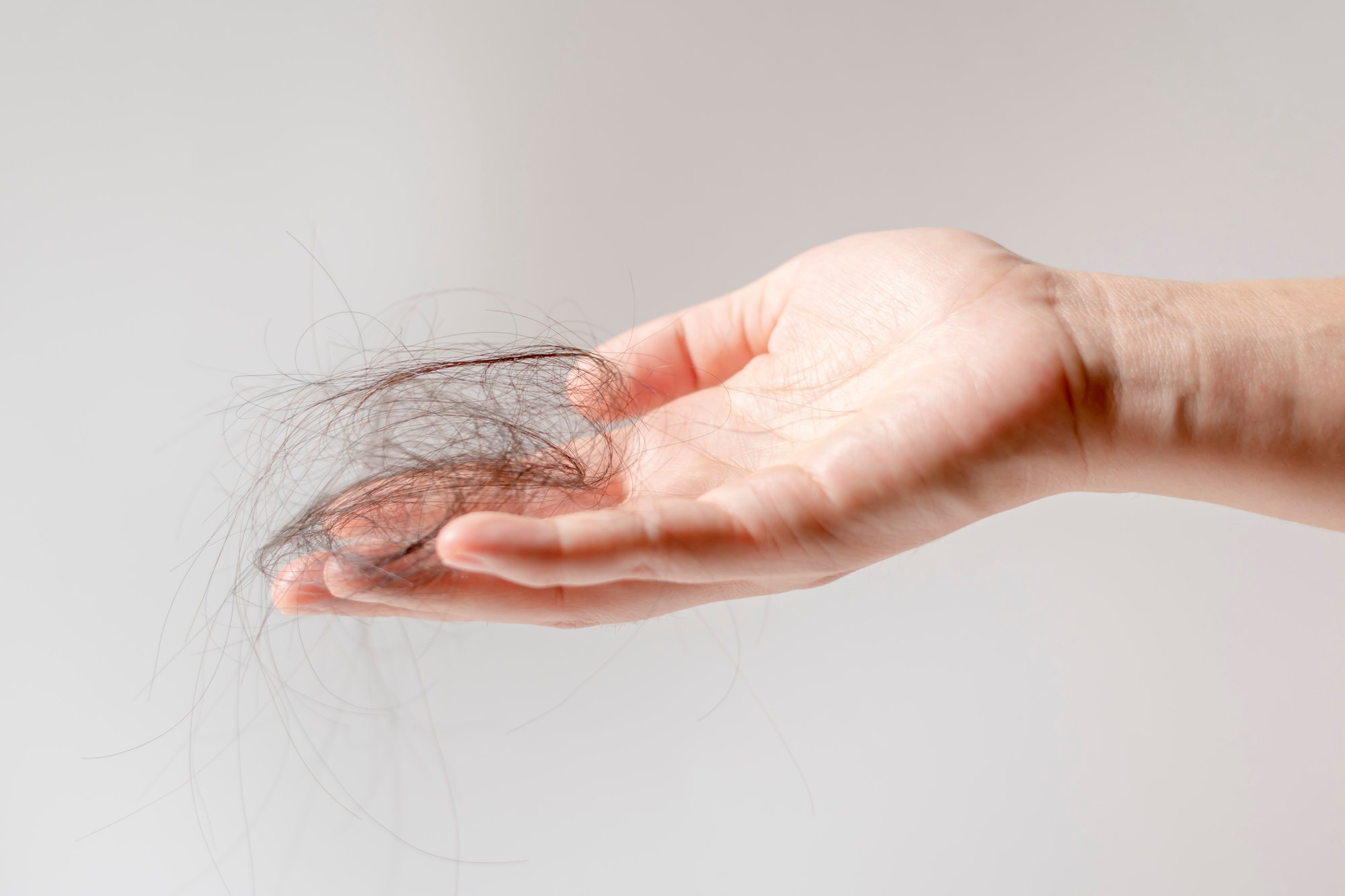
If you've started shedding more hair since beginning a GLP-1 medication like semaglutide or tirzepatide, you're far from alone.
It's earned a nickname online: "Ozempic hair." The name puts the blame on the drug, but that's not quite accurate. The real driver is something else entirely, and understanding it makes the whole experience a lot less alarming.
What's actually happening
The medical term for this kind of shedding is telogen effluvium. Your hair normally moves through a long growing phase, a short pause, and then a shedding phase, with most of your hair in the growing phase at any given time. When your body goes through a significant physical change, more hair than usual can shift out of that growing phase at once. Because hair takes time to grow and shed, the effects of that shift don't show up right away. Most people notice the extra shedding a few months after starting a GLP-1 or after a significant drop in weight.
Here's the clearest proof that it's about the weight loss and not the drug: the same pattern shows up after bariatric (weight loss) surgery, an entirely different intervention that produces the same outcome, rapid weight loss. Two very different paths leading to the same result point to a shared cause.
Research backs this up. A 2026 systematic review looking at GLP-1 medications and hair loss found that semaglutide and tirzepatide, the two medications linked to the most significant weight loss, also had the highest number of reported hair-shedding cases. Medications associated with more modest weight loss showed far fewer reports. Women appeared to be disproportionately affected, and the pattern tracked with how much and how fast weight came off, not with any single drug.
Why it happens
A few factors tend to layer on top of each other:
- The pace of change itself. A large, fast shift in body weight is a significant event for your system to process, and hair growth is one of the lower-priority functions while your body adjusts.
- Falling short on nutrients. Appetite suppression often means smaller portions, and if those portions aren't nutrient-dense, gaps in protein, iron, zinc, and vitamin D can show up. Hair follicles depend on all of them to function normally.
- Not staying hydrated. As appetite and routines shift, fluid intake can quietly drop too, and that on its own can contribute to shedding.
- A head start on thinning. If you already had some hair thinning before starting the medication, rapid weight loss can make it more noticeable.
The good news: it's temporary
For most people, hair shedding from a GLP-1 is not permanent. Once your body adjusts to its new routine, usually within a few months, your natural growth cycle resumes and replaces what
was lost. Patience matters here. Hair grows slowly under the best of circumstances, so even after shedding slows, it can take additional time to see your usual fullness return.
What can help
- Give weight loss more time. Working with your provider to lose weight at a measured pace gives your body more room to adjust without as much disruption to your hair cycle.
- Prioritize nutrient-dense meals. Build plates around vegetables, fruit, whole grains, and lean protein. Ask your provider whether a dietary supplement is worth considering for you specifically.
- Pay attention to hydration. It's an easy thing to overlook when your appetite and routines are changing, and it matters more than people expect.
- Mention anything else going on. New medications, major stress, illness, or other recent life changes can also affect hair, so it's worth flagging those to your provider.
When to loop in your provider
Hair shedding on a GLP-1 is usually not a sign of a serious problem, but it's worth checking in with your care team if the shedding feels significant, growth isn't restarting as expected, or you want help ruling out other causes like an iron deficiency or hormone imbalance.
It's also worth noting that hair isn't the only thing that can change. Some people notice drier skin or more brittle nails as their body adjusts, usually tied to the same shifts in nutrients and hydration. The habits that support your hair tend to help there too.
The bottom line
Hair shedding is a real, well-documented effect of rapid weight loss. It shows up with GLP-1 medications, with bariatric surgery, and with any fast change in the body's resources. It is not caused by the medication itself, and for most people, it resolves on its own within a few months. If you're noticing changes, your One Medical provider can help you understand what's going on and build a plan to support your hair and your overall health while you continue your treatment.
The One Medical blog is published by One Medical, a national, modern primary care practice pairing 24/7 virtual care services with inviting and convenient in-person care at over 100 locations across the U.S. One Medical is on a mission to transform health care for all through a human-centered, technology-powered approach to caring for people at every stage of life.
Any general advice posted on our blog, website, or app is for informational purposes only and is not intended to replace or substitute for any medical or other advice. 1Life Healthcare, Inc. and the One Medical entities make no representations or warranties and expressly disclaim any and all liability concerning any treatment, action by, or effect on any person following the general information offered or provided within or through the blog, website, or app. If you have specific concerns or a situation arises in which you require medical advice, you should consult with an appropriately trained and qualified medical services provider.